
Ruts
Heavy trucks push deep ruts into asphalt, especially where they turn and stop.
A drier concrete mix laid with paving equipment and compacted with vibratory rollers. No forms, no rutting, no potholes, and a surface built to last 40 to 60 years.
Heavy trucks push deep ruts into asphalt, especially where they turn and stop.
Ruts become cracks, cracks become potholes, and potholes become a safety problem.
Asphalt gets soft and sticky in the heat and deforms under load.
Spilled fuel and oil eat into an asphalt surface.
Patch, close the yard, patch again, then replace the whole thing in 10 to 15 years.
Roller compacted concrete uses the same ingredients as regular concrete: cement, water and aggregate. The difference is the recipe. The mix is much drier and stiffer, so instead of being poured into forms it is laid down with the same kind of paver used for asphalt, then compacted with heavy vibratory rollers. That low water content and heavy compaction are what give it its strength.
| Factor | RCC | Asphalt |
|---|---|---|
| Heavy truck traffic | Rigid surface. No rutting. | Ruts under load. |
| Potholes | A solid, long-lasting slab. | Prone to potholes. |
| Summer heat | Will not soften. | Softens and deforms. |
| Fuel and oil spills | Resists damage. | Damaged by spills. |
| Expected life | 40 to 60 years. | 10 to 15 years before replacement. |
| Open to traffic | About a day after paving. | Varies; repairs mean repeat closures. |
Figures are design lives for properly built pavement under heavy truck traffic. Every site is different; the comparison table above and a site visit give the full picture.
A precise, low-water mix is made in a pug mill, a mixer built for a stiff mix. It produces a uniform batch continuously so paving never has to stop.
Standard dump trucks carry the mix to the site. No mixer trucks are needed.
A high-density paver lays the RCC in a smooth, even layer at speed, and compacts it before the rollers arrive.
Vibratory rollers press the aggregate together into a dense, interlocked slab. This step locks in the strength.
The surface cures and can usually open to traffic about a day later.
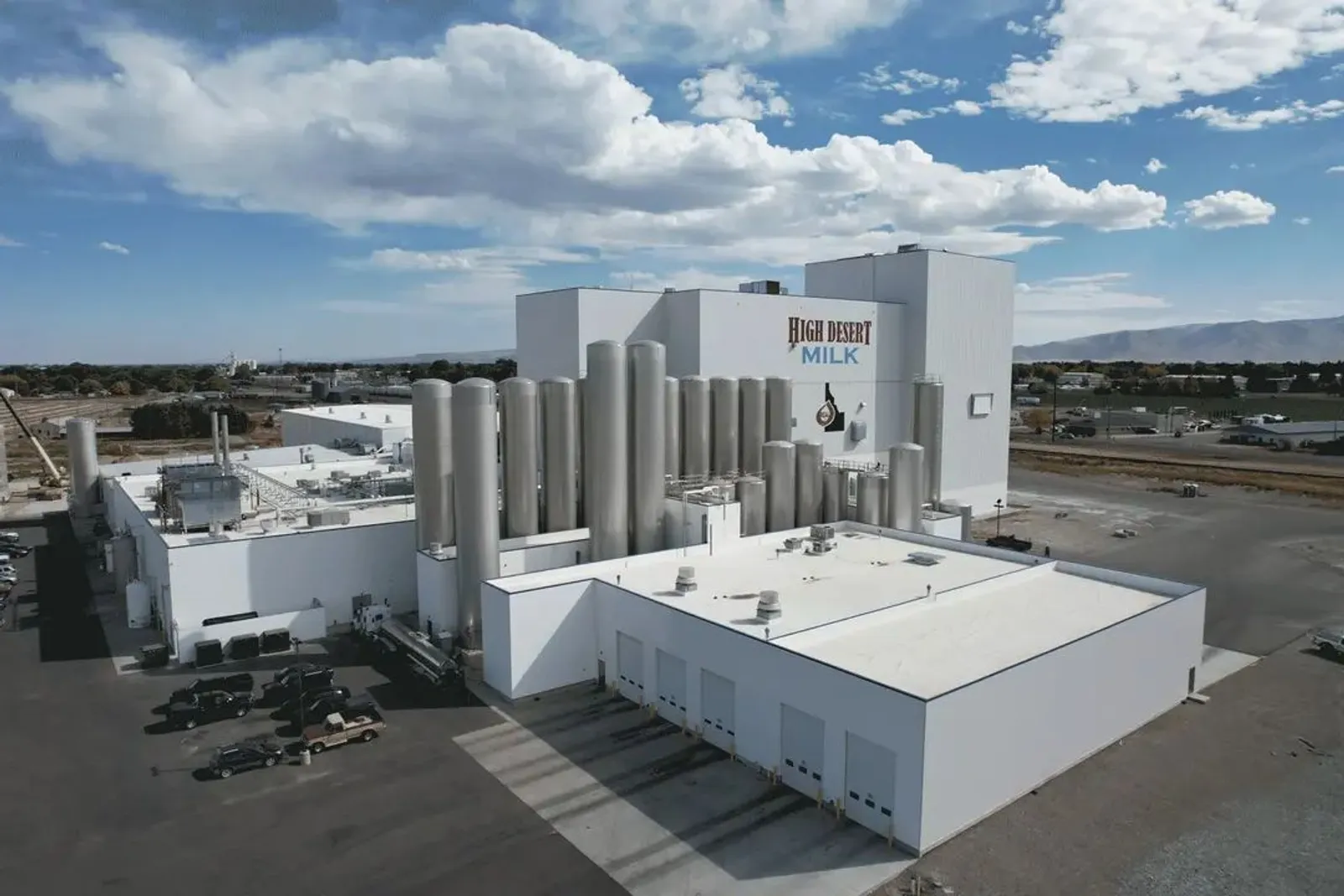
Streamline builds the plants and dairies this pavement goes around, and does the earthwork underneath it. Ask about RCC as part of a new build or as a standalone paving job.
Roller compacted concrete, or RCC, is concrete made with much less water than usual. The stiff mix is laid with an asphalt-style paver and compacted with vibratory rollers instead of being poured into forms. The result is a dense, rigid pavement with the strength of concrete and the speed of asphalt paving.
A properly built RCC pavement is designed to last 40 to 60 years. Asphalt in the same heavy-truck setting is usually replaced after 10 to 15 years.
RCC can often open to traffic about a day after paving. That means a yard or lane is closed for days, not weeks.
Anywhere heavy trucks stop, turn and sit: distribution centers, ports, plant yards, dairies, feed lots and busy intersections. It also holds up where fuel and oil spills would damage asphalt.
Every site is different, so we price each job. RCC is built to last several times longer than asphalt with almost no maintenance, so the lifetime cost is usually the better number. Send us the site and we will give you a straight comparison.
Send the site and roughly how much area you need paved. We will tell you whether RCC is the right fit and what it would take. Or call (208) 678-9204.